
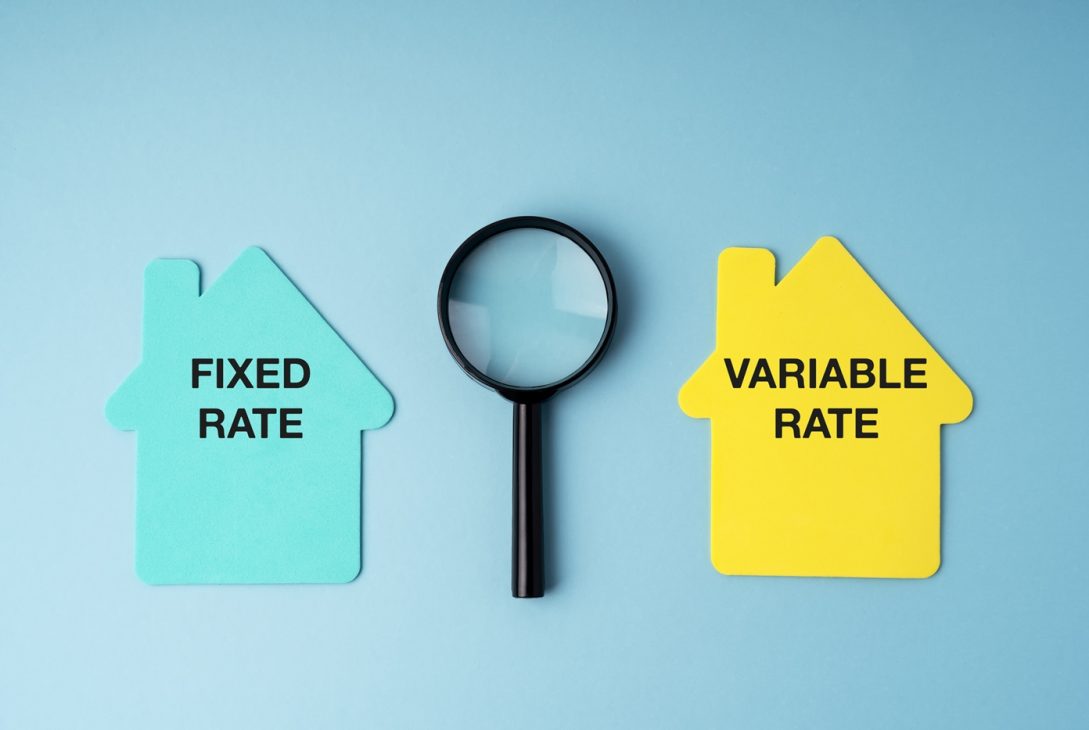
When it comes to choosing a home loan, one of the most important decisions you’ll make is whether to select a fixed or variable interest rate. Each option has advantages and potential drawbacks, and understanding the differences can help you choose the solution that best fits your financial goals.
At SKG Home Loans, we believe that making informed decisions is the key to successful homeownership. Here are seven important facts about fixed and variable interest rates that every South African homeowner should know.
Fixed Interest Rates Mean Certainty
A fixed interest rate remains unchanged for an agreed period, giving you predictablemonthly repayments regardless of what happens in the market.
This stability can make budgeting easier and provide peace of mind, particularly during timesof economic uncertainty or rising interest rates.
Variable Interest Rates Move with the Market
Unlike fixed rates, variable interest rates are linked to the prime lending rate. As a result, your monthly repayment can increase or decrease over time.
When interest rates fall, homeowners with variable rates can benefit from lower repayments. However, if rates rise, monthly bond repayments will increase accordingly.
Fixed Rates Are Not Always Forever
One common misconception is that a fixed rate remains in place for the entire home loan term.
In South Africa, fixed-rate home loans are typically only fixed for a specific period, often between one and five years. Once this period expires, the loan generally reverts to a variable rate unless a new arrangement is made with the lender.
Most South African Home Loans Are Variable
Did you know that the majority of home loans in South Africa are linked to variable interestrates?
This means most homeowners experience changes in their bond repayments whenever the prime lending rate moves up or down. Because of this, it’s important to understand how interest rate changes could affect your monthly budget.
Fixed Rates Can Protect You from Future Rate Increases
If interest rates are expected to rise, a fixed rate can provide valuable protection by locking in your repayment amount for the agreed term.
This can be especially beneficial for homeowners who prefer certainty and want to avoid therisk of higher repayments during the fixed period.
Variable Rates Often Start Lower
A variable interest rate can sometimes begin at a lower level than a fixed rate, potentially resulting in lower repayments initially.
For borrowers who are comfortable with some uncertainty and who can manage potentialfuture rate increases, this flexibility may be an attractive option.
There Is Always a Trade-Off
When comparing fixed and variable rates, there is no universally “best” choice.
A fixed rate offers stability and predictable repayments, while a variable rate provides the opportunity to benefit when interest rates decline. The right option depends on your financial circumstances, future plans, and appetite for risk.
So, Which Option Should You Choose?
The answer depends on your unique financial situation.
If you value predictability and want certainty around your monthly repayments, a fixed rate may offer peace of mind. If you’re comfortable with market fluctuations and would like to take advantage of potential rate decreases, a variable rate may be worth considering.
The most important thing is understanding your options before making a decision.
Speak to SKG Home Loans
Navigating interest rates doesn’t have to be confusing. Whether you’re buying your first property, purchasing an investment property, or reviewing your existing bond, the experienced team at SKG Home Loans can help you understand your options and secure the most suitable home loan solution. Contact SKG Home Loans today for expert guidance and personalised assistance.